
"silver skin"
500 article(s) found

Knowledge of boutique coffee beans dissecting the interior picture of coffee beans
Coffee bean close-up, coffee bean internal cross-section map of the coffee fruit after the peel of the freshly ripe coffee fruit on the tree, the coffee fruit without the peel, inside two coffee beans with endocarp, silver peel coffee bean coffee fruit internal structure (coffee fruit includes exocarp, mesocarp, pectin layer, endocarp, coffee bean silver skin, endosperm, embryo.) Internal knot of coffee beans

A close-up of dissecting coffee beans.
Coffee bean close-up, coffee bean internal cross-section map of the coffee fruit after the peel of the freshly ripe coffee fruit on the tree, the coffee fruit without the peel, inside two coffee beans with endocarp, silver peel coffee bean coffee fruit internal structure (coffee fruit includes exocarp, mesocarp, pectin layer, endocarp, coffee bean silver skin, endosperm, embryo.) Internal knot of coffee beans

Coffee bean close-up cross-section of coffee bean inside
Coffee bean close-up, coffee bean internal cross-section map of the coffee fruit after the peel of the freshly ripe coffee fruit on the tree, the coffee fruit without the peel, inside two coffee beans with endocarp, silver peel coffee bean coffee fruit internal structure (coffee fruit includes exocarp, mesocarp, pectin layer, endocarp, coffee bean silver skin, endosperm, embryo.) Internal knot of coffee beans

Anatomical structure Diagram of Coffee Bean
Go to the coffee taste network to exchange coffee bean close-up, coffee bean internal cross-cut map of the newly ripe coffee fruit on the tree after the peel of the coffee fruit is cut, the coffee fruit after the peel is removed, inside two coffee beans with endocarp, silver peel coffee bean coffee fruit internal structure (coffee fruit includes exocarp, mesocarp, pectin layer, endocarp, coffee bean silver skin, endosperm

A brief introduction to the characteristics of sun drying and washing in Yejia Xuefei sharing of individual coffee practice parameters
Professional coffee knowledge exchange more coffee bean information please follow the coffee workshop (Wechat official account cafe_style) Qianjie-Yejia Xuefei coffee treatment method comparison, brewing parameters sharing raw bean treatment methods different washing methods using water washing and fermentation to remove the skin, pulp and mucous membrane, first wash the coffee beans to clean, after washing, the water content of coffee beans is up to 50%

Yega Xuefei roasting records the roasting process of coffee beans
Yega snow coffee: turn the cage on the oven, preheat it at 170 degrees for 2 minutes, serve the coffee beans. Bake at 170 degrees for 2 minutes to 250 degrees. After about 11 minutes, hear the first explosion for more than ten seconds and quickly take it out and rotate to the cooling plate to cool down. Coffee beans are slightly deeper than the standard medium roasting, and the actual roasting degree must be below medium. A lot of silver skins are still glued to the coffee beans, indicating that they are not roasted enough.

Description of Flavor of Coffee beans treated by Water washing and Solar treatment varieties of Grinding scale
Flavor description of coffee beans treated by washing method and sun treatment variety introduction of grinding scale 1, bean selection: put the harvested fruit in a sink filled with water and soak for about 24 hours. At this time, ripe fruit will sink, while immature and overripe fruit will float up and can be removed. 2. Remove the pulp: use a machine to remove the peel and pulp, leaving only the coffee wrapped in the endocarp.

Different Flavor description of Honey-treated Coffee beans after Solar washing
If you are a roaster, in order to provide better coffee beans, you need to have a good understanding of the origin of raw beans, the height of planting and the method of processing, because these factors can help you better mix and mix unique coffee. Of course, when buying honey to treat coffee beans, don't forget
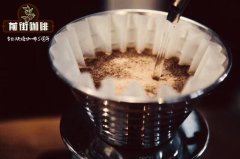
Processing method of washing coffee beans Clean coffee is not easy to come by
Professional coffee knowledge exchange more coffee bean information please follow the coffee workshop (Wechat official account cafe_style) Front Street-Coffee washing processing introduction Wet processing in 1740 the Dutch invented wet processing, process flow, including the simple harvest of fresh fruit, flotation machinery, peeling, fermentation, degumming, washing and drying (sun or machine drying) to remove shells and take beans. Specifically, it is: picking first

Taste characteristics of sun-cured coffee beans introduction to the origin of grinding scale varieties
Taste characteristics of sun-cured coffee beans Yega Xuefei Flavor description Grinding scale Variety Origin introduction the water content of washed coffee is 12% 13%, while that of dry coffee is 11% 12%. General coffee beans show different colors due to their different water content, with higher water content being green or cyan, and less brown or near white. Therefore, the washed coffee beans are dark green.
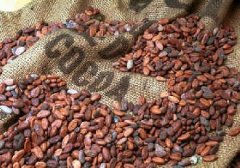
General knowledge of roasting of coffee beans electrothermal baking technology
Electricity was only used to drive the rollers of traditional drum dryers and blowers and cooling fans at the end of the 19th century, but it was not an effective source of heat for large-scale baking at that time. Any chef knows that the rate at which electricity is converted into heat is much lower than that at which gas is converted into heat; in addition, the price of gas is much cheaper than electricity. Just from here.

Coffee common sense-coffee roasting
Coffee roasting (coffee roasting) refers to the heating of raw beans to convert starch in raw beans into sugars and acids at high temperature, cellulose and other substances will be carbonized to varying degrees, water and carbon dioxide will be volatilized, proteins will be converted into enzymes and fats, and the remaining substances will be combined to form an oil film on the surface of coffee beans, and in the process coffee acids will be formed.

Anatomical structure of coffee beans the structure of coffee beans from the inside to the outside coffee fruit coffee pulp silver
Coffee is grown with seeds with endocarp, and the raw coffee beans we usually come into contact with have their endocarp removed, so they can't be planted. Endocarp (sheepskin or paper skin) refers to the tea-brown hard skin that surrounds coffee seeds, and coffee beans with that skin are called shelled beans (sheepskin paper beans). Usually there are two pairs of seeds in the fruit, but occasionally there is only one in the fruit.
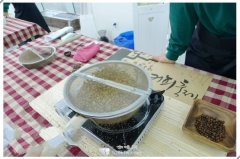
A complete knowledge of coffee roasting
Coffee roasting (coffee roasting) refers to the heating of raw beans to convert starch in raw beans into sugars and acids at high temperature, cellulose and other substances will be carbonized to varying degrees, water and carbon dioxide will be volatilized, proteins will be converted into enzymes and fats, and the remaining substances will be combined to form an oil film on the surface of coffee beans, and in the process coffee acids will be formed.
What is the basic process of making coffee? what is the biggest difference between washing and drying?
The process of making coffee basically includes picking, drying, roasting, grinding and cooking. There are two kinds of picking, manual and mechanical, because the maturity of handmade coffee beans is uniform, and there is no mildew, and so on, so high-quality coffee beans basically use this method. There are also two kinds of drying, sun drying and washing. Coffee beans are wrapped in peel, pulp and a thin film called silver skin. Sun drying method

How to distinguish between washed and sunburned coffee beans?
A successful cup of coffee should be treated strictly from the beginning of a raw coffee bean. the treatment methods of raw coffee beans can be divided into sun-drying method and water washing method, which method should be used according to the local climate, environment and the characteristics of coffee beans. After the raw coffee beans are processed, they can be roasted and ground, but a cup of coffee is decided mainly on the freshness of the coffee beans.

Coffee bean treatment: honey treatment
Semi-washing (semi-lavado), also known as honey, miel, is actually a combination of tanning and water-washing fermentation to treat raw beans. First remove the peel and pulp of coffee, and then, according to the need, decide whether to use a pectin removal machine (desmucilaginador) to remove pectin, or how much pectin to remove, and finally dry the raw beans with shells by sun drying or machine drying or both.
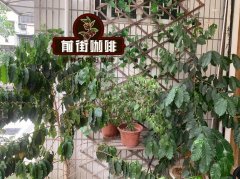
Where did the coffee come from? How long does it take to grow? What do coffee beans and seeds look like?
Coffee is a morning drink for many people. Keep your curiosity about things. Have you ever thought about where coffee comes from? It takes nearly a year for coffee to blossom to mature, while it takes about five years for coffee trees to fully bear fruit. Except for round beans, most coffee cherries contain two kinds of coffee beans. Round beans account for about 5% of the world's coffee, cherries

Introduction to the grinding scale of the variety characteristics of the coffee bean flavor description method
Water-washed honey treatment coffee bean flavor description treatment variety characteristics grinding scale according to the time of sun exposure and the amount of pectin to distinguish the three, and the amount of pectin and endocarp determines the time of sun exposure. Yellow honey has 25% endocarp, 50% red honey and 100% black honey. Therefore, from yellow honey to black honey, the drying time is longer, and the management requirements are more stringent. If it is certain
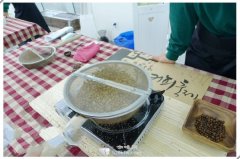
Complete knowledge of coffee roasting
Coffee roasting (coffee roasting) refers to the heating of raw beans to convert starch in raw beans into sugars and acids at high temperature, cellulose and other substances will be carbonized to varying degrees, water and carbon dioxide will be volatilized, proteins will be converted into enzymes and fats, and the remaining substances will be combined to form an oil film on the surface of coffee beans, and in the process coffee acids will be formed.